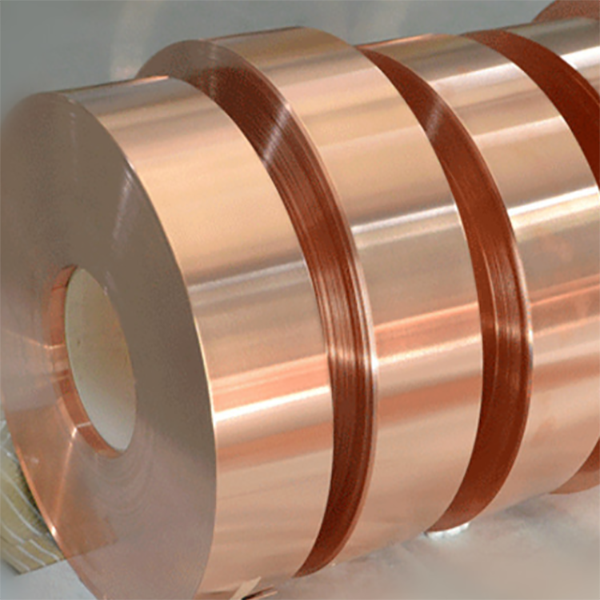
Xuzhou optimal heat dissipation copper foil processing
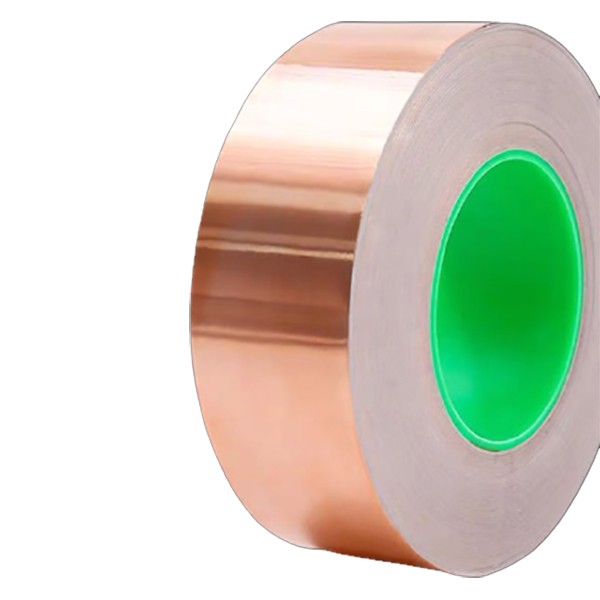
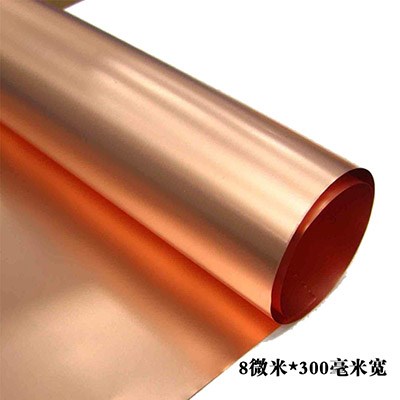
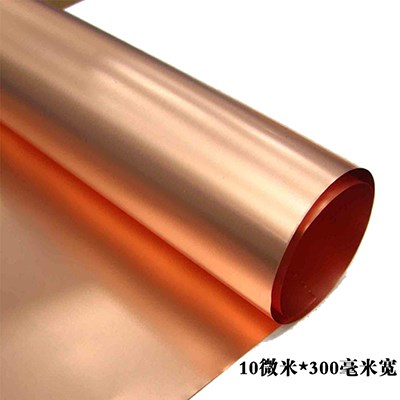
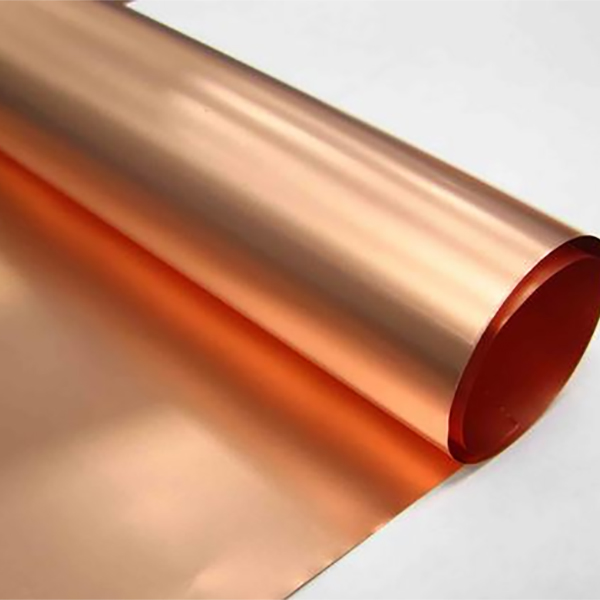
Electrolytic copper foil is made by dissolving copper into copper sulfate solution, electrodepositing the copper sulfate electrolyte under the action of direct current in special electrolytic equipment to make the original foil, and then carrying out surface treatment, heat-resistant layer treatment, oxidation prevention treatment and other surface treatment processes on the original foil according to customer requirements.
Xuzhou optimal heat dissipation copper foil processing
The electrolyte contains oil, paint, grease, sediment and other contaminants attached to the surface of copper foil. After being squeezed by the squeezing (water) roller, the contaminants are squeezed flat, some contaminants attach to it, and some contaminants attach to the guide roller. Because the dirt is squeezed up during the operation, the dirt has a head and a tail, and has a direction.
Xuzhou optimal heat dissipation copper foil processing
At the same time of thinning, it is also necessary to improve the tensile strength, elongation and other indicators, otherwise it is easy to cause copper foil fracture, affecting the safety of the battery. Therefore, it is the general trend that the future use will be more light and meet the above indicators.
Xuzhou optimal heat dissipation copper foil processing
The production process of electrolytic copper foil is simple. There are three main processes: solution raw foil, surface treatment and product slitting. The production process seems simple, but it is a production process that integrates electronics, machinery and electrochemistry, and is particularly strict with the production environment. Therefore, the industry does not have a set of standard and universal production equipment and technology, and each manufacturer shows its own ingenuity, which is also an important bottleneck affecting the improvement of domestic production capacity and quality.
Xuzhou optimal heat dissipation copper foil processing
Calendered copper foil products have good ductility, flexibility, low roughness and high folding resistance, and have become the basic materials of flexible printed circuit boards, mainly used in flexible circuit boards and high-frequency circuit boards.