Fuyang optimized anti-static copper foil processing
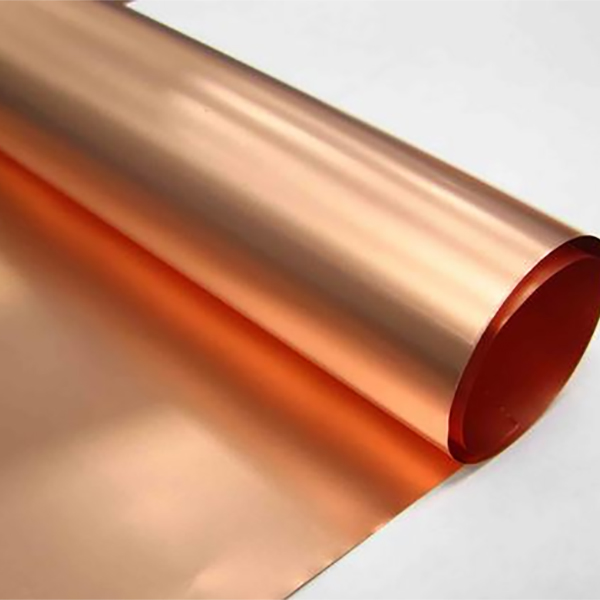
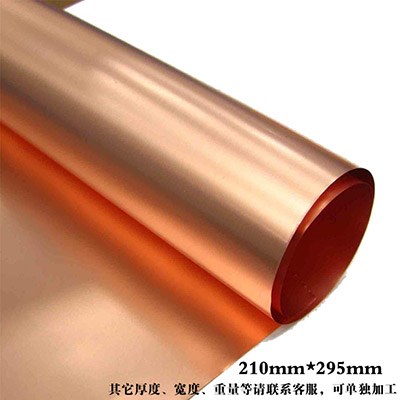
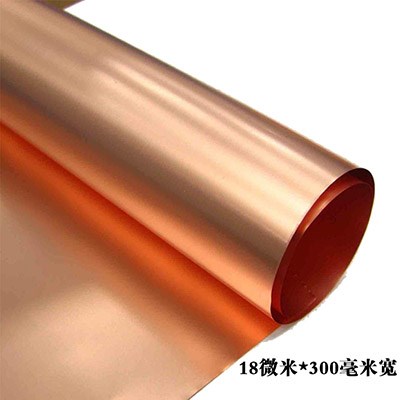
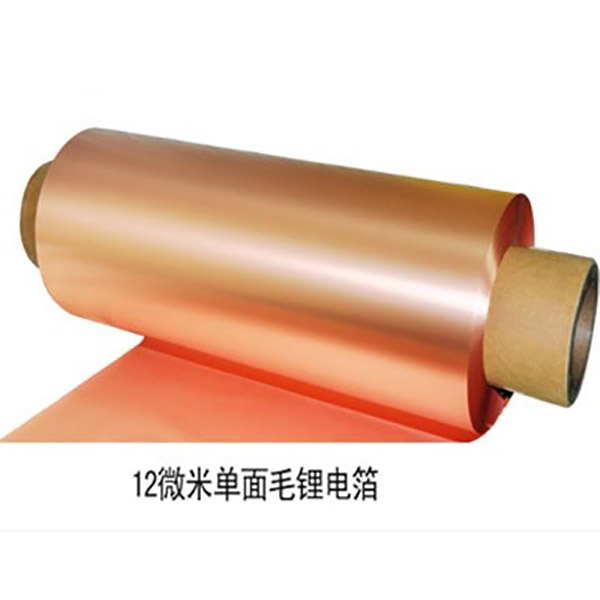
Definition of electrolytic copper foil: it is formed by depositing copper ions in electrolyte on the round cathode roller of smooth rotating stainless steel plate (or titanium plate). The surface close to the cathode roller is called smooth surface, and the other surface is called rough surface.
Fuyang optimized anti-static copper foil processing
Surface passivation: chromate (or chromate and zinc salt) solution is used for surface passivation (i.e. anti oxidation treatment) after the barrier layer is plated to form a complex film with chromium (or chromium zinc) as the main body on the surface, so that the copper foil will not be oxidized and discolored due to direct contact with air, and at the same time, the heat resistance of the copper foil is improved (higher zinc content, better heat resistance), The storage period of copper foil can reach 3 months.
Fuyang optimized anti-static copper foil processing
With the development of high-density wiring technology for low profile copper foil multilayer boards, the traditional type cannot meet the needs of manufacturing high-precision printed circuit boards. Therefore, a new generation of copper foils, low profile (LP) and ultra-low profile (VLP), have emerged one after another. Compared with ordinary electrolytic copper foil, LP copper foil has fine crystal (2/zm), equiaxed grains, no columnar crystals, lamellar crystals, flat prisms and low surface roughness.
Fuyang optimized anti-static copper foil processing
Copper foil can be divided into calendered copper foil and electrolytic copper foil, which are mainly used for flexible printed circuits and other special purposes. In the production of clad laminates, a large number of applications are. As for the purity of copper, IEC-249-34 and Chinese standards stipulate that it shall not be lower than 99.8%.