Zhanjiang Preferred Copper Foil Processing
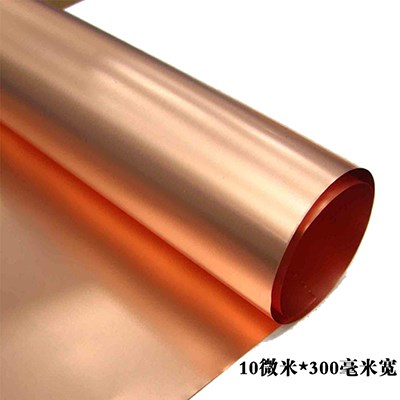
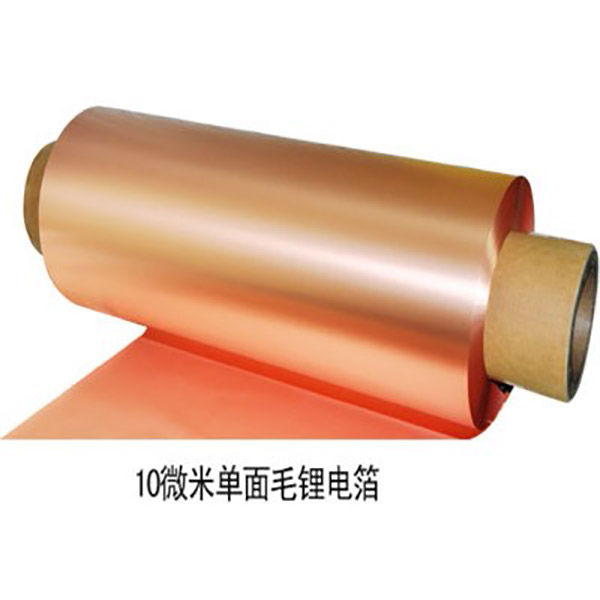
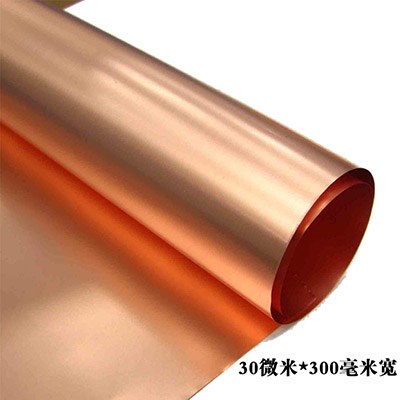
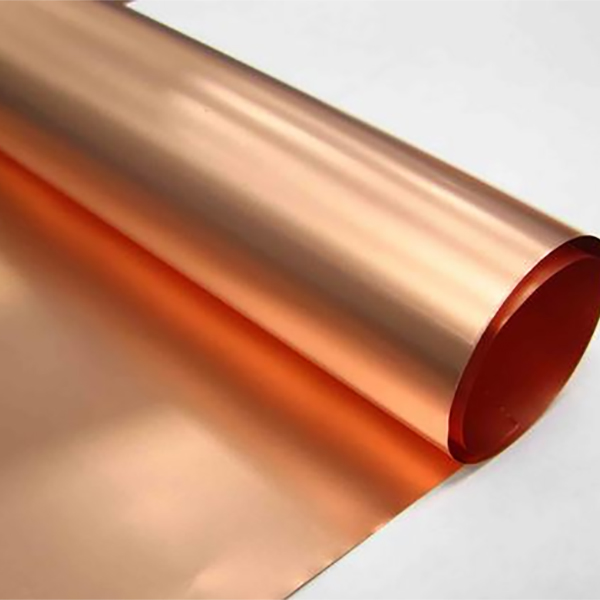
Copper foil can be divided into many kinds according to different classifications. According to the thickness, it can be divided into: thickness (more than 70 μ m) Regular thickness copper foil (more than 18 μ M but less than 70 μ m) Thin copper foil (more than 12 μ M but less than 18 μ m) Ultra thin copper foil (less than 12 μ m) Etc.
Zhanjiang Preferred Copper Foil Processing
Electronic circuit copper foil plays an important role in conducting electricity and heat in printed circuit board (PCB), and is known as the neural network on PCB. At present, copper foil for electronic circuits (PCB copper foil) is divided into two categories, namely conventional copper foil and high-performance copper foil.
Zhanjiang Preferred Copper Foil Processing
With the further competition in the market, even those with high added value have to be controlled from the production cost. Because the production requires very strict cleanliness of its electrolytic solution (copper sulfate solution), many filtration systems and liquid feeding pumps are repeatedly used in previous production processes. A new process flow is provided here, which can fundamentally control product quality and reduce production costs.
Zhanjiang Preferred Copper Foil Processing
The adhesives used for the laminates mainly include phenolic, epoxy, polyester, polyimide, polytetrafluoroethylene resin, etc. Therefore, the laminates are also divided into phenolic, epoxy, polyester, polyimide, and polytetrafluoroethylene laminates.
Zhanjiang Preferred Copper Foil Processing
Foil making material requirements: the thinner the thickness is, the higher the quality grade is, and the lower the impurity content in the electrolyte is required. In order to ensure the quality, the purity of copper must be greater than 99.9%.
Zhanjiang Preferred Copper Foil Processing
Although the thickness of copper foil gradually becomes thinner, power battery manufacturers use 6 μ When the product is less than or equal to m, the coating machine, winding machine and other key equipment as well as the technological level cannot solve the problems such as wrinkles, belt breakage and high-temperature oxidation encountered in the production process, which leads to the inability to mass produce ultra-thin copper foil with high yield.