Bengbu optimized heat dissipation copper foil processing
The adhesives used for the laminates mainly include phenolic, epoxy, polyester, polyimide, polytetrafluoroethylene resin, etc. Therefore, the laminates are also divided into phenolic, epoxy, polyester, polyimide, and polytetrafluoroethylene laminates.
Bengbu optimized heat dissipation copper foil processing
Silane coupling agent treatment: after anti oxidation treatment, the surface is sprayed with silane, which can improve the oxidation resistance at room temperature on the one hand; On the other hand, in high temperature pressing plate, silane can better combine copper foil and resin substrate through coupling, and improve peel strength. Post treatment process - drying. In order to prevent the harm of residual moisture, it must be dried at not less than 100 ℃ later, and the drying temperature cannot be too high.
Bengbu optimized heat dissipation copper foil processing
The electrolyte contains oil, paint, grease, sediment and other contaminants attached to the surface of copper foil. After being squeezed by the squeezing (water) roller, the contaminants are squeezed flat, some contaminants attach to it, and some contaminants attach to the guide roller. Because the dirt is squeezed up during the operation, the dirt has a head and a tail, and has a direction.
Bengbu optimized heat dissipation copper foil processing
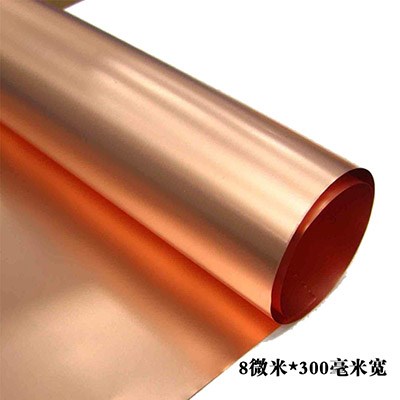
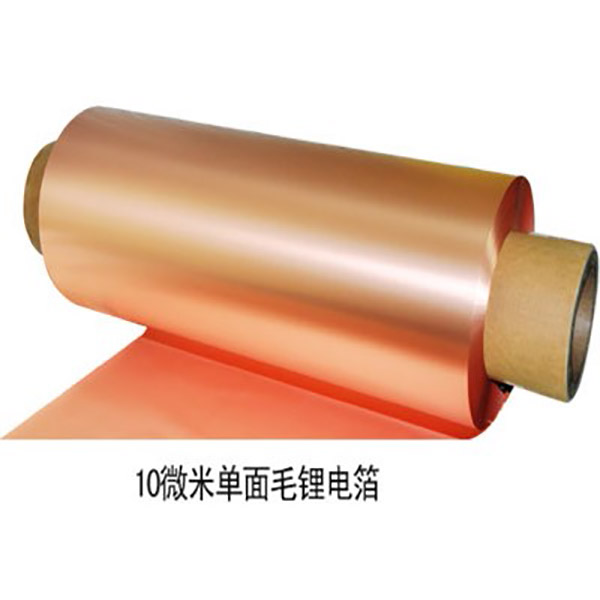
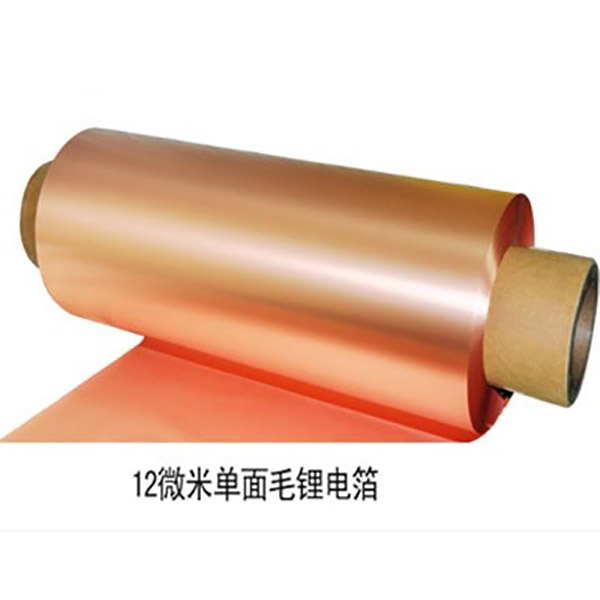
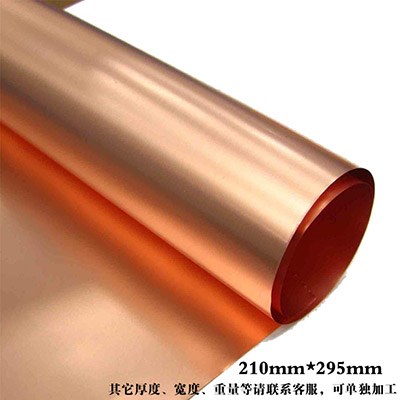
Copper foil can be divided into many kinds according to different classifications. According to the thickness, it can be divided into: thickness (more than 70 μ m) Regular thickness copper foil (more than 18 μ M but less than 70 μ m) Thin copper foil (more than 12 μ M but less than 18 μ m) Ultra thin copper foil (less than 12 μ m) Etc.