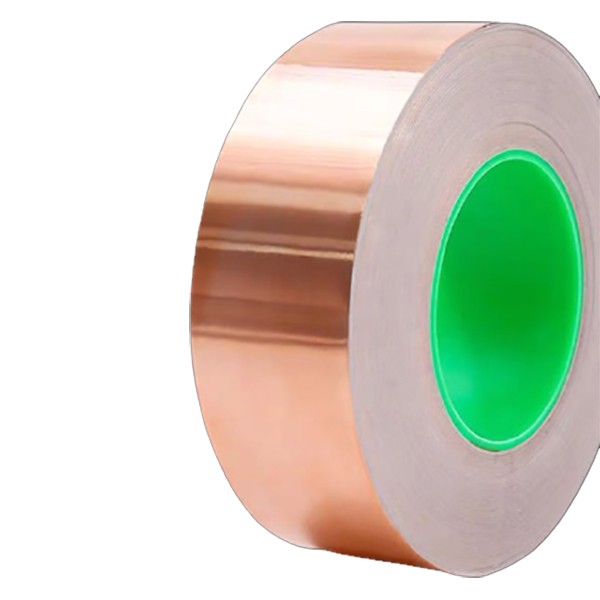
Zhuhai Preferred Copper Foil Manufacturer of Lithium Battery
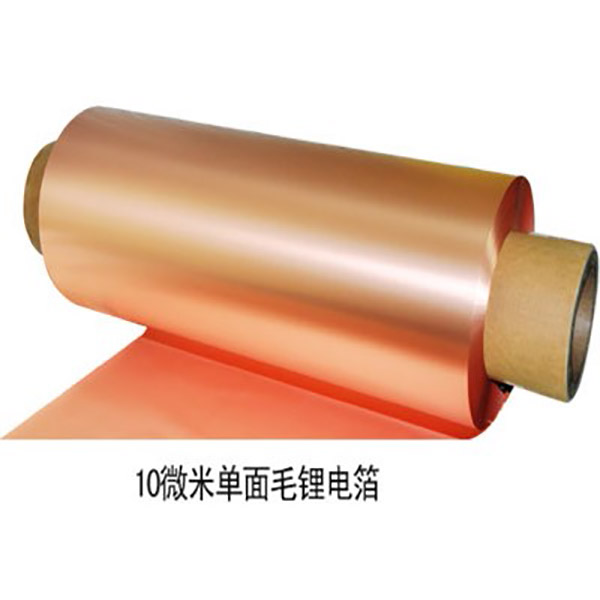
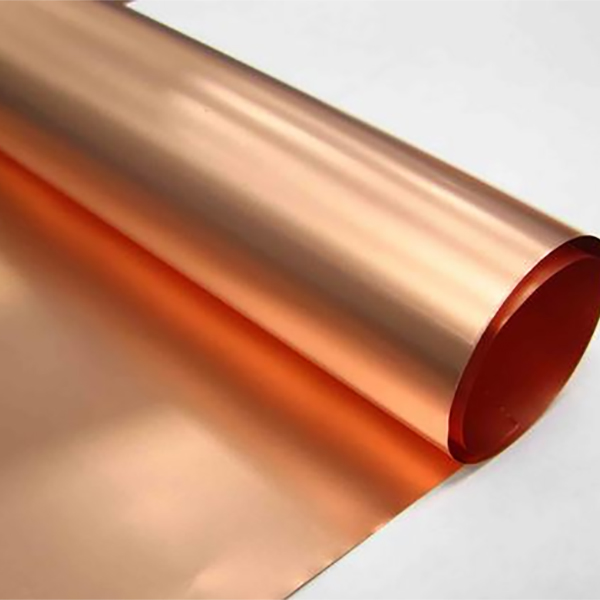
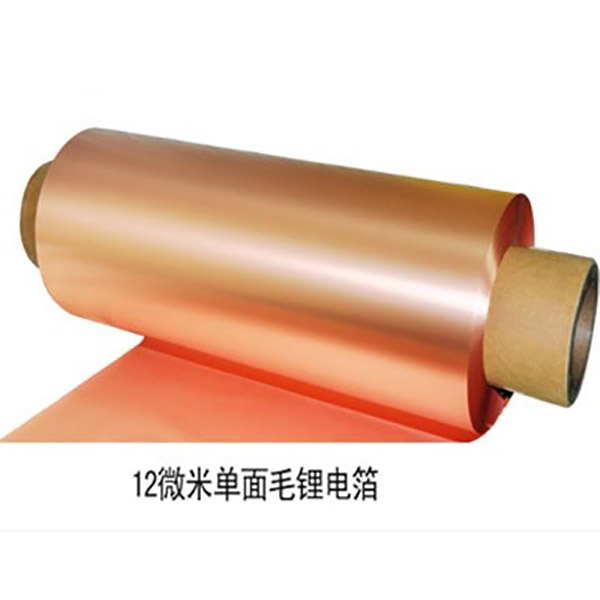
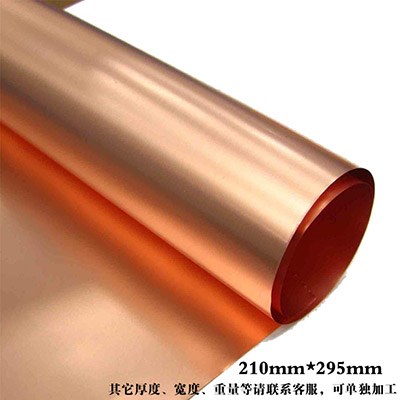
Electronic circuit copper foil plays an important role in conducting electricity and heat in printed circuit board (PCB), and is known as the neural network on PCB. At present, copper foil for electronic circuits (PCB copper foil) is divided into two categories, namely conventional copper foil and high-performance copper foil.
Zhuhai Preferred Copper Foil Manufacturer of Lithium Battery
Speaking saliva splashes on the surface, and stains will appear when saliva is rolled up. A short time is a dark point, and a long time is a dark point. The size of the point is related to the saliva splashed on the copper foil.
Zhuhai Preferred Copper Foil Manufacturer of Lithium Battery
Silane coupling agent treatment: after anti oxidation treatment, the surface is sprayed with silane, which can improve the oxidation resistance at room temperature on the one hand; On the other hand, in high temperature pressing plate, silane can better combine copper foil and resin substrate through coupling, and improve peel strength. Post treatment process - drying. In order to prevent the harm of residual moisture, it must be dried at not less than 100 ℃ later, and the drying temperature cannot be too high.
Zhuhai Preferred Copper Foil Manufacturer of Lithium Battery
Copper foil can be divided into calendered copper foil and electrolytic copper foil, which are mainly used for flexible printed circuits and other special purposes. In the production of clad laminates, a large number of applications are. As for the purity of copper, IEC-249-34 and Chinese standards stipulate that it shall not be lower than 99.8%.
Zhuhai Preferred Copper Foil Manufacturer of Lithium Battery
Although the thickness of copper foil gradually becomes thinner, power battery manufacturers use 6 μ When the product is less than or equal to m, the coating machine, winding machine and other key equipment as well as the technological level cannot solve the problems such as wrinkles, belt breakage and high-temperature oxidation encountered in the production process, which leads to the inability to mass produce ultra-thin copper foil with high yield.