Chuzhou preferred copper foil price
The commonly used reinforcement materials of copper clad laminate are alkali free (alkali metal oxide content shall not exceed 0.5%) glass fiber products (such as glass cloth, glass felt) or paper (such as wood pulp paper, bleached wood pulp paper, cotton wool paper). Therefore, laminates can be divided into glass cloth base and paper base.
Chuzhou preferred copper foil price
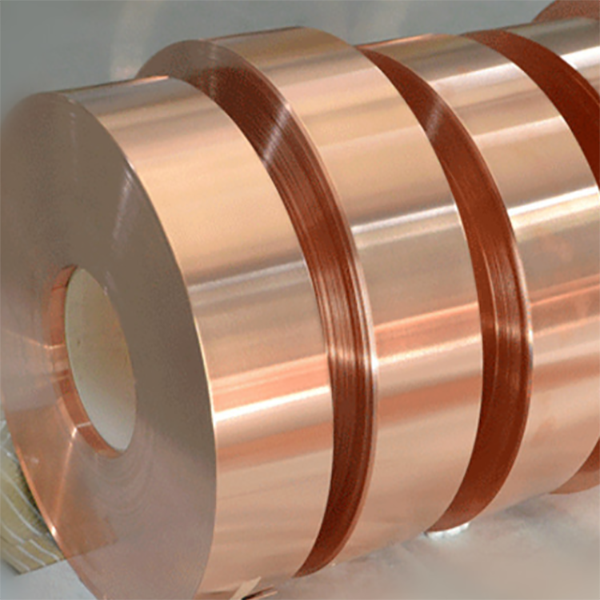
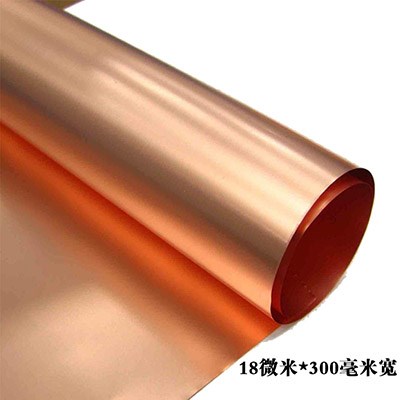
At the same time of thinning, it is also necessary to improve the tensile strength, elongation and other indicators, otherwise it is easy to cause copper foil fracture, affecting the safety of the battery. Therefore, it is the general trend that the future use will be more light and meet the above indicators.
Chuzhou preferred copper foil price
According to the burning degree of the substrate in the flame and after leaving the ignition source, it can be divided into general type and self extinguishing type; According to the bending degree of the substrate, it can be divided into rigid and flexible laminates; According to the working temperature and working environment conditions of the substrate, it can be divided into heat resistant, radiation resistant, high-frequency foil clad plate, etc. In addition, there are also laminates used in special occasions, such as prefabricated inner laminates, metal based laminates, and copper foil, nickel foil, silver foil, aluminum foil, Kang copper foil, beryllium copper foil laminates according to the type of foil.
Chuzhou preferred copper foil price
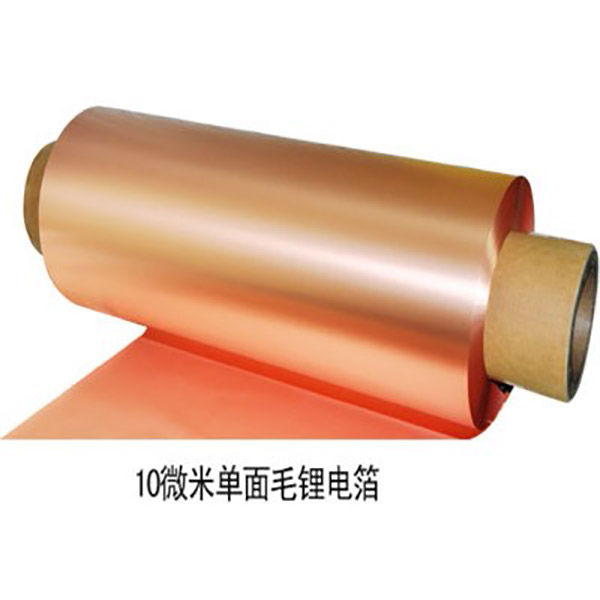
In order to improve the bonding strength of copper foil to the substrate, oxidation is usually used (that is, after oxidation treatment, a layer of copper oxide or cuprous oxide is formed on the surface, which improves the bonding strength of copper foil and substrate due to the polarity) Or roughen the copper foil (a roughened layer is generated on the surface of the copper foil by electrochemical method, which increases the surface area of the copper foil and improves the bonding strength between the copper foil and the substrate due to the anchoring effect of the roughened layer on the substrate).